
Thepa ea B-BBEE bakeng sa Tlhokomelo: Latela Tšenyehelo mme u Lule u Tš compliance
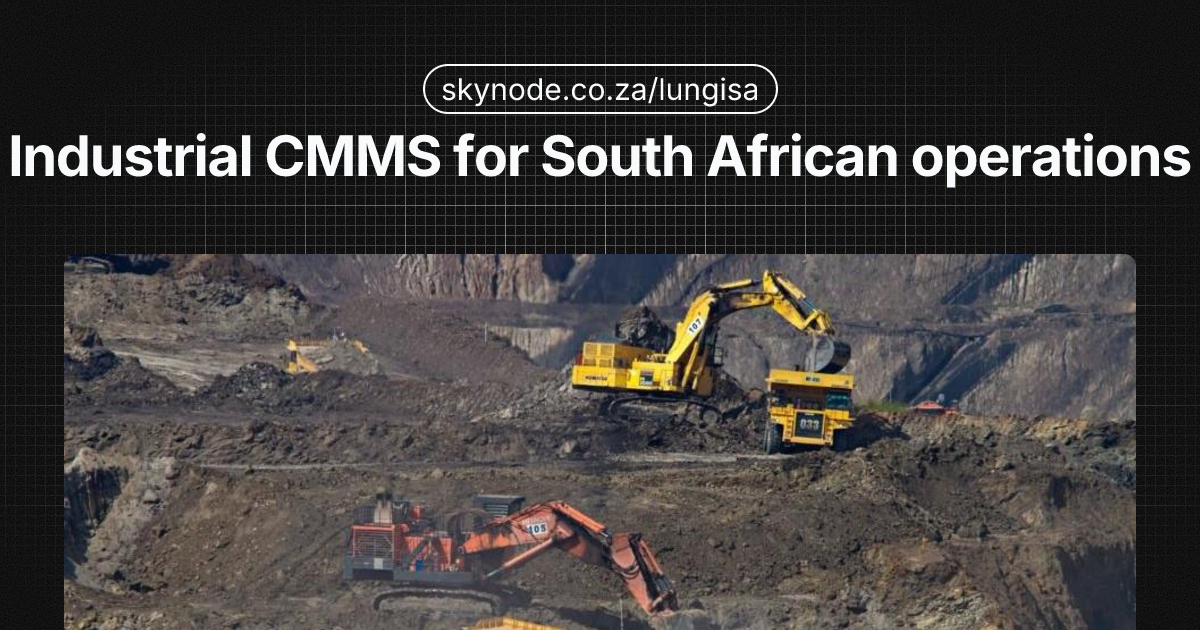
Tlhokomelo and ditho tsa spare spending is often one of the largest thepa categories in Afrika Borwa ditshebetso, yet many companies struggle to align it le their B-BBEE scorecard. Ha maemo a arohaneng happen, the priority is getting the right part or moebedi/baebedi on site fast; preferential thepa can feel like a paperwork exercise seo slows things down. A significant slice of organisational spend then slips through ntle le proper B-BBEE tracking, dragging down your Preferential Thepa element and leaving points on the table. B-BBEE thepa tlhokomelo in Afrika Borwa is not just a tš compliance tick-box; it affects your ability to win tenders, meet government and Meepo Charter dinyehelo, and demonstrate commitment to transformation.
Sena tatelano explains hobaneng B-BBEE matters for tlhokomelo thepa, how the preferential thepa rules work, eng you need to track, and how a CMMS can automate B-BBEE morekisi/barekisi tlhokomelo/taolo and reporting so seo tlhokomelo spend supports your scorecard instead of undermining it.
Hobaneng B-BBEE Matters for Tlhokomelo Thepa
The Broad-Based Black Economic Empowerment (B-BBEE) Act and the Codes of Good Practice require measured entities to phuputso/liphuputso on several elements, including Preferential Thepa. Your thepa spend le B-BBEE-compliant morekisi/barekisi contributes directly to your score. Tlhokomelo thepa, ditho tsa spare, moebedi/baebedi, and service providers, typically represents a substantial portion of total spend in meepo, thepa, and thepa. If seo spend is not tracked by morekisi/barekisi B-BBEE level, you cannot prove it in an audit or tender submission, and you miss the opportunity to improve your score.
Beyond the scorecard, B-BBEE tš compliance is increasingly a condition for doing business. Government tenders, state-owned entity contracts, and private-sector supply agreements often require a minimum B-BBEE level or preferential thepa bopaki. The Meepo Charter imposes specific thepa targets on mines. In practice, tlhokomelo thepa tš compliance is not optional; it is part of how you stay eligible for the contracts and partnerships seo depend on your B-BBEE standing.
Preferential Thepa Rules: 80/20, 90/10, and Specific Goals
Preferential thepa in Afrika Borwa is governed by the Preferential Thepa Policy Framework Act (PPPFA) and the B-BBEE Codes. The way you score thepa depends on the contract value and, since the 2022 melao, on “specific goals” seo can apply to designated groups.
The 80/20 and 90/10 Thresholds
Preferential thepa scoring depends on contract value. National Treasury sets the thresholds; use current Treasury circulars for rand values.
| Threshold | Theko points | B-BBEE points | Typical use |
|---|---|---|---|
| 80/20 | 80 | 20 | Contracts above lower threshold |
| 90/10 | 90 | 10 | Contracts above higher threshold |
The B-BBEE portion is calculated from the morekisi/barekisi’s certificate and level (Level 1 to Level 8, or Non-Compliant). Higher-level morekisi/barekisi contribute more to your preferential thepa recognition. For tlhokomelo, much spending does not go through formal tenders: small orders, emergency ditho tsa spare, and call-out moebedi/baebedi are often bought on quotation or from approved morekisi/barekisi. Those transactions still count as thepa spend and must be captured and attributed to morekisi/barekisi le known B-BBEE status if they are to count toward your scorecard.
Specific Goals (2022 Melao)
The 2022 Preferential Thepa Melao introduced specific goals: a portion of the 20 or 10 B-BBEE points can be set aside for thepa from designated groups, such as black-owned SMMEs, women-owned enterprises, or youth-owned enterprises. Ha a tender or thepa policy includes specific goals, you need to track not only whether a morekisi/barekisi is B-BBEE compliant but also whether they meet the specific goal criteria (e.g. 51% black-owned, QSE or EME). Sena adds another layer of data: morekisi/barekisi ownership profile and entity size (QSE/EME vs large enterprise), so seo your tlhokomelo thepa can be reported against both the generic B-BBEE score and the specific goals.
How Tlhokomelo and Spare Parts Spending Impacts Your B-BBEE Scorecard
The Preferential Thepa element of the B-BBEE scorecard measures the percentage of your total measured thepa spend seo is spent le B-BBEE-compliant morekisi/barekisi, weighted by the morekisi/barekisi’s B-BBEE level. The formula is complex, but the principle is simple: the more you spend le higher-level (e.g. Level 1–4) morekisi/barekisi, the better your score. Spend le non-compliant or unverified morekisi/barekisi does not count or counts less.
Tlhokomelo and ditho tsa spare spending often involves:
- Many morekisi/barekisi: Bearings, seals, electrical components, hydraulic parts, and specialist moebedi/baebedi may each come from different vendors.
- Frequent, small orders: A single taelo/taelo ya mosebetsi might use parts from two or three morekisi/barekisi; over a year, hundreds of transactions can accumulate.
- Urgent purchases: Maemo a arohaneng lead to same-day or next-day orders moo the focus is availability, not B-BBEE paperwork.
If sena spend is not captured against a morekisi/barekisi database seo includes B-BBEE level (and, moo relevant, specific goal status), it either falls into an “unverified” bucket or is ignored. Your measured thepa spend denominator stays the same, but the numerator, compliant spend, does not grow, so your B-BBEE thepa score suffers. Tlhokomelo thepa tš compliance is therefore about ensuring seo every rand spent on tlhokomelo and spares is assigned to a morekisi/barekisi le a known B-BBEE status and seo the data flows into your scorecard reporting.
Challenges and Eng to Track for B-BBEE Tlhokomelo Thepa
B-BBEE morekisi/barekisi tlhokomelo/taolo in a tlhokomelo context faces several practical challenges.
Fragmented morekisi/barekisi. Ditshebetso often buy from dozens or hundreds of morekisi/barekisi: OEMs, local distributors, specialist ho lokisa shops, and moebedi/baebedi. Keeping an up-to-date list of e leng morekisi/barekisi are B-BBEE compliant, at eng level, and ha their certificates expire is difficult ha thepa is decentralised or ha mosebetsi o tsebileng/basebetsi ba tsebileng and planners order directly.
Frequent, small purchases. Tlhokomelo thepa is characterised by many small orders rather than a few large contracts. Each order may be below the formal tender threshold but still forms part of total spend. Capturing morekisi/barekisi and B-BBEE data for every purchase requires either discipline at the point of order or integration between the tlhokomelo tsamaiso/ditsamaiso (moo the need is raised) and the morekisi/barekisi master data.
Urgency versus tš compliance. Ha a e bohlokwa machine is down, the immediate priority is to get the part or the mosebetsi o tsebileng/basebetsi ba tsebileng. Choosing a morekisi/barekisi because they are Level 1 can feel secondary. Ntle le a pre-approved list of B-BBEE-compliant tlhokomelo morekisi/barekisi, and ntle le making it easy to select from seo list ha raising a taelo/taelo ya mosebetsi or purchase request, teams will default to the fastest option, and B-BBEE tracking will be an afterthought.
Certificate validity. B-BBEE certificates have validity periods. A morekisi/barekisi who was Level 2 last year might be Level 4 sena year, or their certificate might have expired. If your tsamaiso/ditsamaiso does not flag expired or missing certificates, you may be reporting spend against a morekisi/barekisi whose status is no longer valid, e leng can lead to audit findings or scorecard adjustments.
To align tlhokomelo thepa le your B-BBEE scorecard, you need to track the following.
Morekisi/Barekisi B-BBEE Level and Certificate
For every morekisi/barekisi used for tlhokomelo, ditho tsa spare, or tlhokomelo contracts, tsediso/ditshediso their current B-BBEE level (1–8 or Non-Compliant) and the certificate number and expiry date. Sena is the foundation of B-BBEE morekisi/barekisi tlhokomelo/taolo. Ntle le it, spend cannot be allocated correctly.
Spend by B-BBEE Level
Your reporting must show total tlhokomelo (and/or ditho tsa spare) spend and spend broken down by morekisi/barekisi B-BBEE level. Seo allows you to bona eng percentage of tlhokomelo spend is le Level 1–4 morekisi/barekisi, eng is le Level 5–8, and eng is le non-compliant or unverified morekisi/barekisi. Sena maemo a arohaneng is eng you need for internal scorecard preparation and for auditors or tender responses.
QSE/EME vs Large Enterprise (Moo Specific Goals Apply)
If your organisation uses specific goals (e.g. thepa from black-owned QSEs/EMEs), you need to know e leng morekisi/barekisi qualify. Seo means tagging morekisi/barekisi by entity size (EME, QSE, or large enterprise) and ownership (e.g. black-owned, women-owned) so seo spend can be reported against those goals. Not all tlhokomelo morekisi/barekisi will be QSE/EME, but moo they are, seo spend should be visible.
Local Content (If Relevant)
Some tenders or sector codes (e.g. certain meepo or industrial dinyehelo) also consider local content or local thepa. If your tlhokomelo thepa policy or contract dinyehelo include local content, tracking morekisi/barekisi and part origin can become part of the same data set. For many ditshebetso, the immediate priority is B-BBEE level and certificate; local content can be added later if e hlokahalang.
How a CMMS Automates B-BBEE Tracking
A CMMS seo integrates B-BBEE thepa tracking removes much of the manual work and reduces the risk of missing or incorrect data.
Morekisi/Barekisi Database le B-BBEE Levels
The CMMS maintains a morekisi/barekisi register moo each vendor used for tlhokomelo or ditho tsa spare is linked to their B-BBEE level, certificate number, expiry date, and (if applicable) QSE/EME and ownership flags. Ha a mosebetsi o tsebileng/basebetsi ba tsebileng or planner selects a morekisi/barekisi for a taelo/taelo ya mosebetsi or parts request, the tsamaiso/ditsamaiso already “knows” seo morekisi/barekisi’s status. New morekisi/barekisi can be blocked or flagged if they are not yet in the register or if their certificate is expired, so seo thepa does not accidentally bypass B-BBEE dinyehelo.
Automated Spend Phuputso/Liphuputso by B-BBEE Level
Every purchase of ditho tsa spare or every moebedi/baebedi invoice linked to a taelo/taelo ya mosebetsi is a transaction. The CMMS can aggregate spend by morekisi/barekisi and by B-BBEE level over any period (month, quarter, financial year). Phuputso/Liphuputso can show total tlhokomelo spend, spend per B-BBEE level, and the effective percentage of spend le compliant morekisi/barekisi. Seo gives you a tlhokomelo thepa scorecard view ntle le exporting to spreadsheets or reconciling finance data manually.
Thepa Scorecard Generation
For the Preferential Thepa element, you need to feed compliant spend (and total measured spend) into the B-BBEE scorecard calculation. A CMMS le B-BBEE reporting can produce preferential thepa phuputso/liphuputso seo align le the codes: spend by level, recognition percentages, and optionally by specific goal. Seo output can be used by your B-BBEE or sustainability team to populate the scorecard and support audits.
Flagging Non-Compliant or Expired Morekisi/Barekisi
The tsamaiso/ditsamaiso can warn ha a morekisi/barekisi’s B-BBEE certificate is about to expire or has expired, so seo thepa or tš compliance can request an updated certificate pele more orders are placed. It can also flag orders placed le morekisi/barekisi who are not in the register or are non-compliant, so seo you can either switch to a compliant morekisi/barekisi or document the exception. Sena keeps tlhokomelo thepa tš compliance proactive rather than reactive.
Practical Steps to Improve Your Tlhokomelo B-BBEE Score
Even pele full CMMS automation, you can move the needle le a few practical steps.
-
Audit current tlhokomelo spend. Pull spend data from finance or thepa for the last 12 months for tlhokomelo, ditho tsa spare, and tlhokomelo moebedi/baebedi. Identify the top 20–30 morekisi/barekisi by value. These are your priority for B-BBEE verification.
-
Collect and validate B-BBEE certificates. For each priority morekisi/barekisi, obtain a current B-BBEE certificate (or sworn affidavit for EMEs). Tsediso/Ditshediso level, certificate number, and expiry. Moo certificates are missing or expired, follow up pele placing further orders.
-
Build an approved morekisi/barekisi list for tlhokomelo. Create a list of B-BBEE-compliant morekisi/barekisi seo thepa and tlhokomelo are encouraged to use. Moo possible, pre-approve multiple morekisi/barekisi for the same category (e.g. bearings, electrical) so seo you have compliant options ha one is out of stock or unavailable.
-
Integrate B-BBEE into the requisition and taelo/taelo ya mosebetsi process. Ha a taelo/taelo ya mosebetsi requires parts or an external moebedi/baebedi, the process should require (or strongly default to) a morekisi/barekisi from the approved list. If someone selects a morekisi/barekisi not on the list, require a reason and ensure the purchase is still captured for reporting.
-
Phuputso/Liphuputso tlhokomelo thepa separately. Produce a regular (e.g. kgweding le kgweding or kgweding e nngwe le e nngwe) phuputso/liphuputso of tlhokomelo and ditho tsa spare spend by B-BBEE level. Use it to track progress, identify gaps (e.g. too much spend le Level 7–8 or non-compliant), and plan morekisi/barekisi development or sourcing changes.
-
Plan for certificate renewals. B-BBEE certificates typically need renewal selemo le selemo or as per the issuer’s validity. Add certificate expiry dates to your tš compliance calendar and request updated certificates in good time so seo no morekisi/barekisi drops off the compliant list unexpectedly.
Conclusion
B-BBEE thepa in tlhokomelo is a significant lever for improving your Preferential Thepa score and meeting tender and contractual dinyehelo. The rules, 80/20 and 90/10, specific goals, and the need to phuputso/liphuputso spend by B-BBEE level, apply to tlhokomelo and ditho tsa spare just as they do to other categories. The difficulty is the volume of transactions, the number of morekisi/barekisi, and the urgency seo often accompanies tlhokomelo buying. Ntle le a structured approach and the right tsamaiso/ditsamaiso, tlhokomelo spend will continue to slip through ntle le proper B-BBEE tracking.
The effort pays off in concrete ways. Many public and private tenders require a B-BBEE certificate and bopaki of preferential thepa; untracked tlhokomelo spend lowers your recognition and can tšenyehelo/ditshenyegelo points or eligibility. Government and state-owned entities seo apply the PPPFA and B-BBEE codes evaluate your Preferential Thepa element. The Meepo Charter sets targets for thepa from HDSA morekisi/barekisi and local communities; tlhokomelo and spares form a large part of mine thepa, and charter-aligned tracking in your CMMS keeps seo spend visible and compliant. Across sectors, tlhokomelo thepa tš compliance is part of how serious organisations manage their B-BBEE scorecard and their reputation.
A CMMS seo includes B-BBEE morekisi/barekisi tlhokomelo/taolo and thepa reporting turns tlhokomelo from a blind spot into a documented, scorecard-ready stream of compliant spend. Morekisi/Barekisi databases le B-BBEE levels, automated spend phuputso/liphuputso by level, and alerts for expired certificates reduce administrative burden and help thepa and tlhokomelo teams make compliant choices by default. For more on linking ditho tsa spare and taelo/taelo ya mosebetsi to B-BBEE, bona our guides on ditho tsa spare tlhokomelo/taolo and B-BBEE tracking and taelo/taelo ya mosebetsi template/ditemplate seo support B-BBEE thepa reporting.
Lungisa is a CMMS built for Afrika Borwa ditshebetso and includes B-BBEE thepa tracking for tlhokomelo and ditho tsa spare: morekisi/barekisi register le B-BBEE levels and certificate dates, spend linked to morekisi/barekisi, and preferential thepa phuputso/liphuputso for your scorecard. To bona how B-BBEE thepa tlhokomelo can be built into your tlhokomelo workflow and stay audit-ready, bona how Lungisa supports B-BBEE thepa for Afrika Borwa ditshebetso.
E ngotsweng ke
Lungisa Team