
Dinyehelo tsa Tlhokomelo ya MHSA: Tataiso bakeng sa Meepo tsa Afrika Borwa
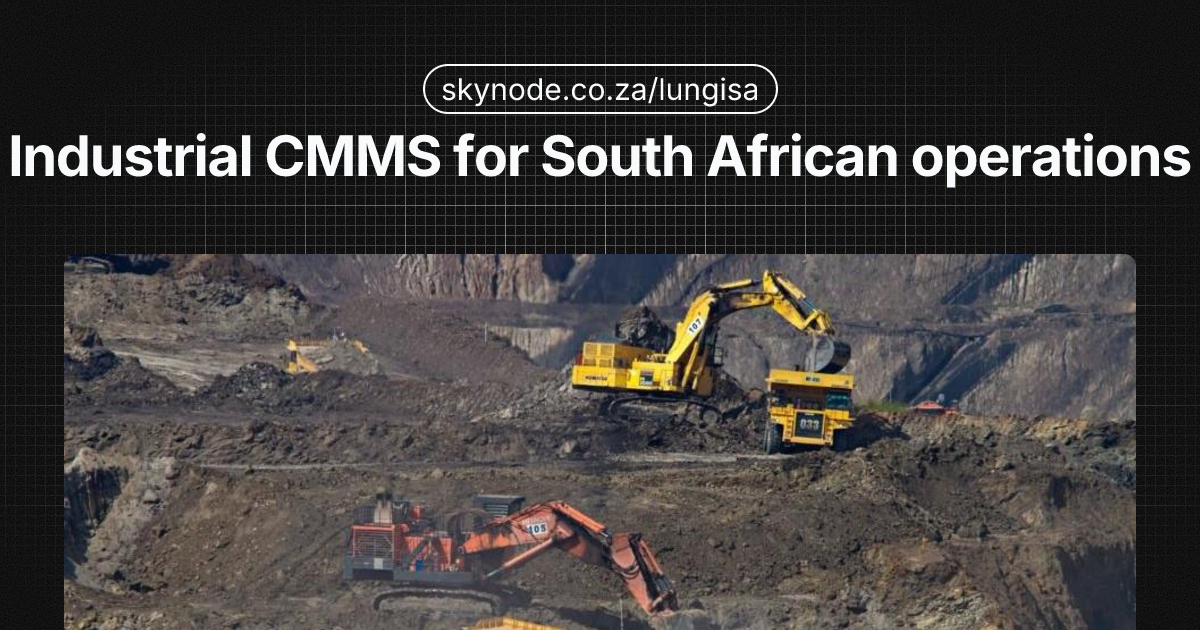
Tlhokomelo managers at Afrika Borwa mines carry a dual burden: keeping thepa running and ensuring every teko/diteko, service, and tsediso/ditshediso satisfies the Mine Health and Polokeho Act. Miss a statutory due date or lose a certificate, and the consequences extend far beyond nako e sa sebetseng. Understanding MHSA tlhokomelo dinyehelo is not optional; it is the baseline for operating legally and safely.
Sena tataiso sets out eng the MHSA and its melao require of moemployeri/baemployeri in relation to thepa, mesebetsi, rescue preparedness, and tsediso/ditshediso-keeping. It is written for tlhokomelo and polokeho personnel at gold ditshebetso in Gauteng, platinum mines in Limpopo and the North West, coal ditshebetso in Mpumalanga, and other mineral sectors. Whether you are tightening existing processes or building tš compliance from scratch, the following sections give you a clear reference and a path to audit-ready tlhokomelo.
MHSA and Moemployeri/Baemployeri Obligations for Thepa and Mesebetsi
The Mine Health and Polokeho Act (Act 29 of 1996), as amended, is the primary legislation governing health and polokeho at mines in Afrika Borwa. It applies to all mines and works as defined in the Act, including underground and surface ditshebetso, and places broad duties on moemployeri/baemployeri, employees, and other duty holders. The Act is supported by melao seo spell out detailed dinyehelo: mesebetsi and thepa, explosives, ventilation, emergency preparedness and rescue, and the tlhokomelo of tsamaiso/ditsamaiso seo affect health and polokeho. For tlhokomelo teams, the most relevant areas are those seo impose statutory tlhokomelo, work seo must be done at defined nako/dinako or to a defined standard, le bopaki kept for teko/diteko.
Tš compliance is enforced by the Department of Mineral Resources and Energy (DMRE), formerly the Department of Mineral Resources (DMR). Molaudi/Ba-audit may visit at any time, request tsediso/ditshediso, and examine thepa. Non-tš compliance can result in improvement notices, fines, and in serious cases prosecution. The Act does not distinguish between “polokeho tlhokomelo” and “tsoalo tlhokomelo”; if it is polokeho-e bohlokwa or legally e hlokahalang, it must be thulaganyo/reriloe, executed, and recorded.
The Act also establishes a tripartite framework involving the moemployeri/baemployeri, the state (DMRE), and organised labour. Health and polokeho committees and representatives have the right to access information and to participate in risk assessment and tš compliance reviews. Keeping MHSA tlhokomelo dinyehelo visible and up to date is part of the duty of care and of the collaborative polokeho culture the Act envisages.
Tlasa the MHSA, the moemployeri/baemployeri (the mine owner or the holder of the right to mine) has a general duty to ensure seo the mine is designed, constructed, and operated so seo employees are not exposed to undue risk. Sena duty extends directly to mesebetsi and thepa. Moemployeri/Baemployeri must ensure seo:
- All mesebetsi and thepa used at the mine are suitable for the purpose and maintained in a safe working condition.
- Mesebetsi and thepa are inspected, tested, and maintained in accordance le the manufacturer’s specifications or an equivalent standard, and in line le any regulatory dinyehelo.
- Defects seo could affect health or polokeho are identified and rectified pele the thepa is used, or the thepa is taken out of service until repaired.
- Only competent persons perform tlhokomelo, ho lokisa, and teko/diteko moo the work could affect polokeho.
Eng “maintained in a safe working condition” means in practice is often defined in the melao and in mine-specific codes of practice. Winding thepa, conveyor tsamaiso/ditsamaiso, ventilation fans, and electrical installations typically have prescribed teko/diteko and testing frequencies. Moemployeri/Baemployeri must not only do the work but also keep tsediso/ditshediso seo demonstrate it was done, by whom, and ha. For broader tlhokomelo duties tlasa Afrika Borwa law, bona OHS Act tlhokomelo dinyehelo for moemployeri/baemployeri.
Statutory Tlhokomelo Dinyehelo Tlasa the MHSA
Statutory tlhokomelo tlasa the MHSA and its melao is tlhokomelo seo is e hlokahalang by law at a set frequency or to a set standard. It is non-negotiable. Common areas include:
| Area | Typical focus |
|---|---|
| Winding and rope tsamaiso/ditsamaiso | Examination and testing of winding ropes, conveyance thepa, and braking tsamaiso/ditsamaiso |
| Pressure thepa and boilers | Teko/Diteko and certification by approved bodies at specified nako/dinako |
| Electrical installations | Earthing, protection, and hazardous-area testing to mine electrical standards |
| Ventilation tsamaiso/ditsamaiso | Fans, doors, and controls for adequate airflow and gas tlhokomelo/taolo underground |
| Firefighting and emergency thepa | Fire suppression tsamaiso/ditsamaiso, fire doors, and emergency escape thepa |
Mines often maintain a statutory register seo lists every item subject to statutory tlhokomelo, the e hlokahalang frequency, the last completion date, and the next due date. Sena register is one of the first things molaudi/ba-audit ask to bona. Missing or overdue items can lead to enforcement action.
The exact frequencies and standards depend on the type of thepa and the applicable regulation. For winding ropes, melao typically require regular measurement and examination, le discard criteria based on wear, broken wires, and loss of diameter. For boilers and pressure vessels, periodic examination by an approved teko/diteko authority is standard. Electrical installations in hazardous areas may require periodic insulation and earth-fault testing. Gold mines in Gauteng le deep-level winding tsamaiso/ditsamaiso, platinum ditshebetso in Limpopo and the Bushveld, and coal mines in Mpumalanga each have site-specific risk profiles. The principle is the same: identify every statutory task, thulaganyo/reriloe it, complete it, and tsediso/ditshediso it. A single overdue statutory item can be enough for an molaudi/ba-audit to question the adequacy of the mine’s tlhokomelo tlhokomelo/taolo tsamaiso/ditsamaiso.
Self-Contained Self-Rescuer (SCSR) Tlhokomelo and Testing Dinyehelo
Self-contained self-rescuers (SCSRs) are e bohlokwa life-saving devices carried by underground workers. They provide breathable air for a limited time during an emergency such as fire or smoke. The MHSA and melao impose strict dinyehelo on their supply, storage, tlhokomelo, and testing.
Moemployeri/Baemployeri must ensure seo:
- Every person who may need to use an SCSR has access to one seo is in date and in good working order.
- SCSRs are stored and maintained in accordance le the manufacturer’s instructions and any regulatory dinyehelo.
- Regular teko/diteko and tests are carried out at the nako/dinako specified (often kgweding le kgweding visual checks and periodic functional or bench tests).
- Expired or defective units are removed from service and replaced; they must not be issued or carried underground.
Tsediso/Ditshediso-keeping for SCSRs is especially e bohlokwa. Molaudi/Ba-audit will expect to bona bopaki of issue and return, teko/diteko dates, test results, and replacement of units seo have reached the end of their service life. Many mines track SCSRs by serial number and due date. Letting units go past their teko/diteko or expiry date puts lives at risk and exposes the mine to serious liability and prosecution.
Chapter 16 Rescue Dinyehelo (Including March 2025 Amendments)
Chapter 16 of the MHSA melao deals le emergency preparedness and rescue. It requires mines to have rescue teams capable of responding to incidents underground. In March 2025, amendments to the rescue provisions came into effect, tightening team composition and availability.
Key dinyehelo tlasa the updated Chapter 16 include:
- Rescue team size: A minimum eight-member rescue team per mine (or per shaft/area as specified in the melao).
- Readiness: At least six members of the team must be readily available to respond at any time. Sena means they are on site or can reach the mine within the time set in the mine’s emergency plan.
- Blasting competency: At least two members of the rescue team must hold the e hlokahalang blasting certificates so seo the team can safely deal le explosives-related emergencies or barriers.
- Scaling by underground headcount: The number of rescue teams and/or members may need to scale le the number of persons ordinarily underground. Larger ditshebetso must ensure sufficient rescue capacity to cover all working areas within the e hlokahalang response times.
These changes place a direct burden on mine tlhokomelo/taolo to roster, train, and maintain enough qualified rescue personnel. “Readily available” is typically defined in the mine’s emergency preparedness plan: it may mean on site during tsoalo shifts or within a defined response time (e.g. 30 to 60 minutes) for call-out teams. Mines le multiple shafts or large underground headcounts must scale rescue capacity so seo every working area can be reached within the e hlokahalang time.
From a tlhokomelo perspective, the thepa used by rescue teams, breathing apparatus, communication devices, first-aid and rescue kits, must also be maintained and certified. Rescue team thepa is often included in the same statutory or tš compliance register as other polokeho-e bohlokwa thepa so seo servicing and expiry dates are never missed.
Tsediso/Ditshediso-Keeping and Eng DMRE Molaudi/Ba-audit Look For
The MHSA and melao require moemployeri/baemployeri to keep tsediso/ditshediso seo prove tš compliance. For tlhokomelo, sena typically includes teko/diteko and test tsediso/ditshediso (eng was inspected, ha, by whom, and eng was found), tlhokomelo and ho lokisa tsediso/ditshediso, certificates from approved teko/diteko bodies, training and competency tsediso/ditshediso, and SCSR and rescue thepa tsediso/ditshediso. Tsediso/Ditshediso must be readily available for teko/diteko by the DMRE and by health and polokeho representatives, often for several years kamorao the activity. Poor or missing tsediso/ditshediso are treated as bopaki seo the work was not done and can be used against the mine in enforcement or civil proceedings.
The melao do not generally prescribe a specific format: tsediso/ditshediso may be kept on paper or in electronic form, provided they are legible, retrievable, and retained for the e hlokahalang period. Many mines have moved to electronic tlhokomelo and tš compliance tsamaiso/ditsamaiso to avoid lost or illegible paperwork. Whatever the format, the content must support an audit: who did eng, ha, and eng was the outcome. Sign-offs, dates, and unique identifiers (e.g. taelo/taelo ya mosebetsi or teko/diteko reference) make it easier to satisfy an molaudi/ba-audit and to defend the mine if a claim or prosecution arises.
The DMRE (historically the DMR) conducts routine and incident-driven teko/diteko at mines. Molaudi/Ba-audit have the power to enter the mine, examine documents, and inspect thepa and working places. During an teko/diteko they commonly request the statutory tlhokomelo register and check seo due dates are being met; ask for tlhokomelo and teko/diteko tsediso/ditshediso for specific items (winders, ropes, SCSRs, ventilation, electrical); verify seo certificates for pressure thepa and lifting thepa are current; and check seo rescue teams meet the Chapter 16 dinyehelo. They may also look for defects or unsafe conditions seo suggest inadequate tlhokomelo or teko/diteko.
Molaudi/Ba-audit may issue improvement notices requiring the mine to remedy non-tš compliance within a set time, or prohibition notices (Section 54/55) stopping certain activities until the risk is controlled. They can also gather bopaki for prosecution. Preparation is essential: knowing your next due dates, having tsediso/ditshediso in one place, and being able to produce them quickly demonstrates a serious approach to MHSA tlhokomelo dinyehelo and tš compliance.
Penalties for Non-Tš compliance
Non-tš compliance le the MHSA and its melao can result in improvement and prohibition notices (le possible closure of part or all of the mine until tš compliance is achieved), substantial fines for corporate moemployeri/baemployeri, and in serious cases imprisonment for responsible individuals moo negligence or recklessness is shown. Incidents linked to poor tlhokomelo also attract media and stakeholder attention and can affect licensing, insurance, and community relations.
Tlhokomelo managers who ensure seo statutory work is thulaganyo/reriloe, completed on time, and properly recorded help protect both workers and the organisation from these outcomes. The DMRE has emphasised the link between disciplined tlhokomelo and incident prevention. Treating MHSA tlhokomelo dinyehelo as a core business process, not an administrative afterthought, is the foundation of a defensible position in the event of an teko/diteko or incident.
How a CMMS Helps Mines Stay MHSA-Compliant
A Computerised Tlhokomelo Tlhokomelo/Taolo Tsamaiso/Ditsamaiso (CMMS) built for Afrika Borwa meepo can centralise MHSA-related tlhokomelo and tsediso/ditshediso, reducing the risk of missed due dates and lost certificates. Statutory and tš compliance tasks can be set up as recurring taelo/taelo ya mosebetsi le fixed frequencies (e.g. kgweding le kgweding SCSR checks, kgweding e nngwe le e nngwe rope examinations). The tsamaiso/ditsamaiso generates taelo/taelo ya mosebetsi in advance so seo nothing falls through ha shifts and workloads change. Standardised checklists for SCSRs, rescue thepa, ventilation, and other polokeho-e bohlokwa thepa ensure seo every teko/diteko covers the same points and seo results are captured in a consistent format. Certificates for pressure thepa, lifting thepa, and SCSR service life can be recorded le expiry dates, le alerts (e.g. 30 or 60 days pele due) so seo recertification or replacement is planned in time. Ha an molaudi/ba-audit asks for the statutory register or for tsediso/ditshediso of teko/diteko and tests, phuputso/liphuputso can be generated from the CMMS showing due dates, completion dates, and responsible persons. Many mines have limited or no connectivity in working areas; a CMMS seo supports offline use allows mosebetsi o tsebileng/basebetsi ba tsebileng to capture teko/diteko and work done underground and sync ha back on the surface. For more on hobaneng Afrika Borwa mines use a CMMS, bona CMMS for meepo in Afrika Borwa.
Bona how Lungisa helps Afrika Borwa mines keep statutory tlhokomelo on track and stay audit-ready for DMRE teko/diteko. Explore Lungisa.
E ngotsweng ke
Lungisa Team